3D LED Screens: 7 Secrets to Captivating Audiences
Published: 1 Jul 2025
3D LED Tech : Touch the Future Without Glasses!
Did you know dinosaurs can roar right off giant stadium screens? That’s 3D LED screen technology! Unlike regular LED signs (flat images), 3D LED Tech create depth and movement—making ads, concerts, and sports leap into the crowd. But how do massive screens trick your eyes? Let’s uncover the magic!
The World Isn’t Flat – And Neither Are Screens Anymore!
Imagine walking past a shoe store and seeing a floating sneaker spin in mid-air. You reach to touch it… but your hand goes through!
That’s naked-eye 3D LED tech – and it’s transforming ads, movies, and even surgery rooms. No glasses. No VR headsets. Just pure magic.
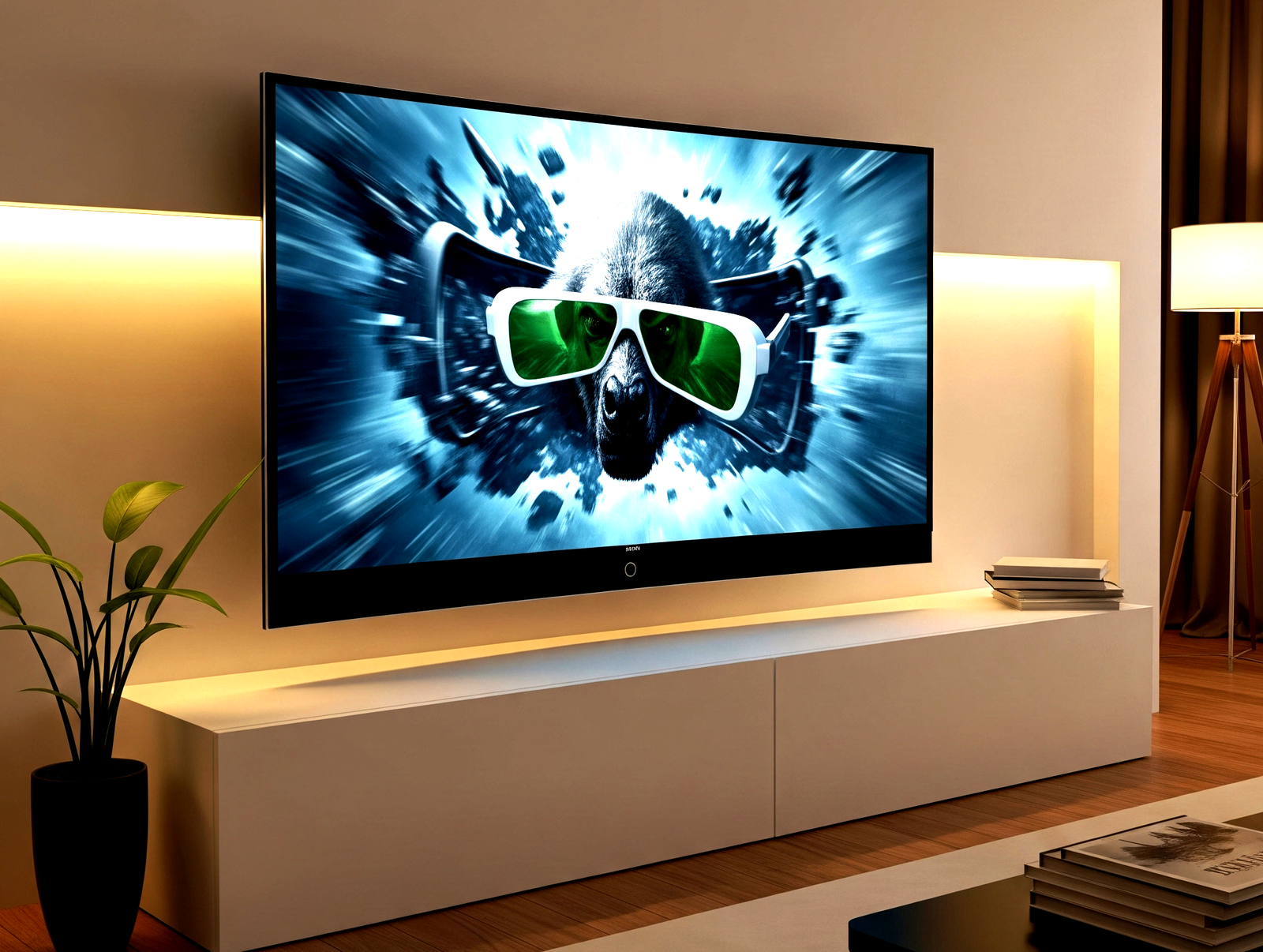
How 3D LED Screens Work
They use light tricks to add depth.
Special layers or glasses create illusions.
Objects seem closer or farther away!
The Science Made Simple with 3D LED Tech
- Parallax Barriers: Tiny slits on the screen direct light to each eye differently.
- Lenticular Lenses: Rippled plastic layers bend light (like old hologram stickers!).
- Glasses-Free Tech: New screens use eye-tracking cameras to follow your position.
- Two-Image Trick: Shows slightly different angles to left/right eyes.
- Brain Blends: Your mind merges images into 3D depth—no VR headset!
- Example: At Universal Studios, dragons “fly” toward audiences from giant LED walls.
- Pixel Power: Requires 2x more LEDs than flat screens for depth effects.
- Viewing Zones: Stand in “sweet spots” for the best 3D (marked areas!).
- Content Rules: Videos must be filmed with 3D cameras or converted.
- Pro Tip: Dark backgrounds make 3D effects pop!
Where 3D LED Screens Shine
Stadiums, museums, and stores use them!
Turns viewers into participants.
Top 5 Real-World Uses
- Sports Arenas: Hockey pucks seem to fly into the stands (Toronto Maple Leafs games!).
- Retail Displays: Shoes “float” off store walls (Nike flagship stores).
- Concerts: Holographic singers perform “live” (ABBA Voyage show!).
- Museums: Dinosaurs “charge” at visitors (Natural History Museum).
- Airports: Flight paths map in mid-air (Changi Airport, Singapore).
- Gaming Zones: Players dodge virtual obstacles.
- Fix Mistake: Avoid busy patterns—simple visuals work best.
- Safety First: Install guardrails to keep viewers in “sweet spots”.
- Content Tip: Use slow movements for clearer 3D effects.
- Budget Hack: Rent screens for events (~$5,000/day).
Setting Up Your3D LED Tech
Plan carefully—placement is key!
Beginner’s 4-Step Guide
- Pick Location: High-traffic zones with controlled lighting (indoor > outdoor).
- Choose Tech: Glasses-free for lobbies; glasses-based for theaters.
- Calibrate: Use built-in software to match viewer heights.
- Test Angles: Walk around to find “dead zones” (fix with extra screens!).
- Content Creation: Use tools like Unity or Notch for 3D animations.
- Brightness Boost: 3D needs 20% more nits than flat screens.
- Example: A car showroom added 3D specs—sales rose 30%!
- Avoid: Direct sunlight—washes out 3D effects.
- Mounting: Hire pros for screens >10 ft tall.
- Engagement Trick: Add motion sensors—viewers trigger 3D surprises!
Why Choose 3D LED Tech Over Flat?
Grabs 8x more attention!
Creates unforgettable moments.
3D vs. Flat LED Comparison
| Feature | 3D LED Screens | Flat LED Screens |
| Engagement | Viewers stop and interact | Passive viewing |
| Cost | 2–3x more expensive | Budget-friendly |
| Content Prep | Needs 3D artists | Works with any video |
| Maintenance | Complex (specialist needed) | Simple |
| Wow Factor | ★★★★★ | ★★★☆☆ |
Tip: Use 3D LED Tech for short, high-impact moments (ads under 15 seconds).
Real-World Uses (Beyond Cool Ads!)
| Industry | Use Case | Impact |
| Healthcare 🏥 | 3D surgery screens | Surgeons see organs “floating” in the operating room |
| Education 🎓 | 3D anatomy models | Students explore “live” hearts and brains |
| Gaming 🎮 | Glasses-free 3D consoles | Characters leap out of the screen |
| Retail 🛍️ | Virtual try-ons | See how shoes look on YOUR feet before buying |
Conclusion
3D LED Tech transform ordinary spaces into jaw-dropping experiences—no glasses needed for newer models! Start small with a retail display or event rental. Your audience won’t just watch; they’ll feel the action. Ready to stand out?
Dare to go 3D—your audience will thank you!
Success Story: IKEA’s 3D Kitchen Planner : 3d led tech
- Customers design kitchens in 3D on a big screen.
- Result: 30% fewer returns (customers “see” mistakes early).
- Also wanted to read more about Mini Led click here
FAQs: Burning Questions Answered ❓
Newer screens are glasses-free! Older models use lightweight polarized glasses. Avoid battery-powered glasses—they’re outdated.
Yes! Indoor/covered areas work best. For outdoors, use ultra-bright 8,000+ nit screens and avoid noon events.
About $20,000+ for a 10ft screen. Rentals start at $5,000/week. Content creation adds $2,000–$10,000.
Yes—specialists calibrate lenses/barriers monthly. Keep spares of custom parts. Dust gently with compressed air.
Software like Adobe After Effects can do it, but results look flat. Real 3D needs dual-camera filming.
Some viewers feel dizzy in fast-motion scenes. Fix: Use slower animations and take 5-minute breaks every hour.
Glasses-free: 10–30 ft away. Glasses-based: Any distance. Mark “sweet spots” with floor decals!
Yes! Infrared layers work over 3D screens (e.g., museum exhibits). Avoid pressing too hard—lenses scratch.
Brands like Leyard, Samsung, or Unilumin. Alibaba for budget options—verify specs carefully!
Holographic LEDs (floating 3D images!) launching in 2025. Early demos use laser fog projections.



- Be Respectful
- Stay Relevant
- Stay Positive
- True Feedback
- Encourage Discussion
- Avoid Spamming
- No Fake News
- Don't Copy-Paste
- No Personal Attacks
- Be Respectful
- Stay Relevant
- Stay Positive
- True Feedback
- Encourage Discussion
- Avoid Spamming
- No Fake News
- Don't Copy-Paste
- No Personal Attacks
