7 Revolutionary Facts About Mini LED Technology That Will Change How You See Displays
Published: 15 Sep 2025
Here’s something most TV salespeople won’t tell you: the display technology world has quietly undergone a revolution while everyone was busy admiring OLED. While OLED gets all the attention for its perfect blacks, it comes with significant limitations that manufacturers don’t like to talk about – limited brightness, potential burn-in issues, and premium pricing that doesn’t always match performance. Mini LED technology changes this entire conversation by delivering OLED-like contrast with superior brightness, better durability, and more sensible pricing.
It’s like discovering there’s a smartphone that does everything your current phone does, but with twice the battery life at half the price. At www.ledscreentechnology.com, we’ve tested every major display technology on the market, and what we’ve discovered about Mini LED will make you rethink everything you thought you knew about picture quality.
Mini LED Technology , In the ever-evolving world of display technology, Mini LED Technology is making its path as the next big power for high-contrast, energy-efficient screens. From ultra-smart TV’s to professional monitors, this innovation combines the best of traditional LED and cutting-edge technology. But what exactly is Mini LED, and how does it outshine competitors like OLED? Let’s break it down! 🚀
What is Mini LED Technology?
- Ultra-precise brightness control 🎛️
- Deeper blacks and higher contrast ratios ⚫⚪
- Reduced power consumption compared to traditional LCDs 🔋
This technology bridges the gap between conventional LED-LCDs and OLEDs, offering a cost-effective alternative with superior performance.
How Does Mini LED Work?
- Miniature Backlighting Zones:
- Thousands of tiny LEDs are arranged in a grid behind the LCD panel.
- Each zone can dim or brighten independently, enhancing contrast.
- Local Dimming:
- Dark scenes turn off specific zones, preventing light bleed (common in older LCDs).
- HDR Support:
- Delivers brighter highlights (up to 1,000+ nits) for realistic HDR content.
Benefits of Mini LED Technology 🌟
- High-Contrast Displays:
- Achieves near-OLED black levels with 1,000+ local dimming zones.
- Energy Efficiency:
- Consumes 30% less power than standard LED-LCDs.
- Durability:
- No risk of screen burn-in, making it perfect for static UIs (e.g., gaming HUDs).
- Color Accuracy:
- Supports 99% DCI-P3 color gamut for vibrant, true-to-life visuals.
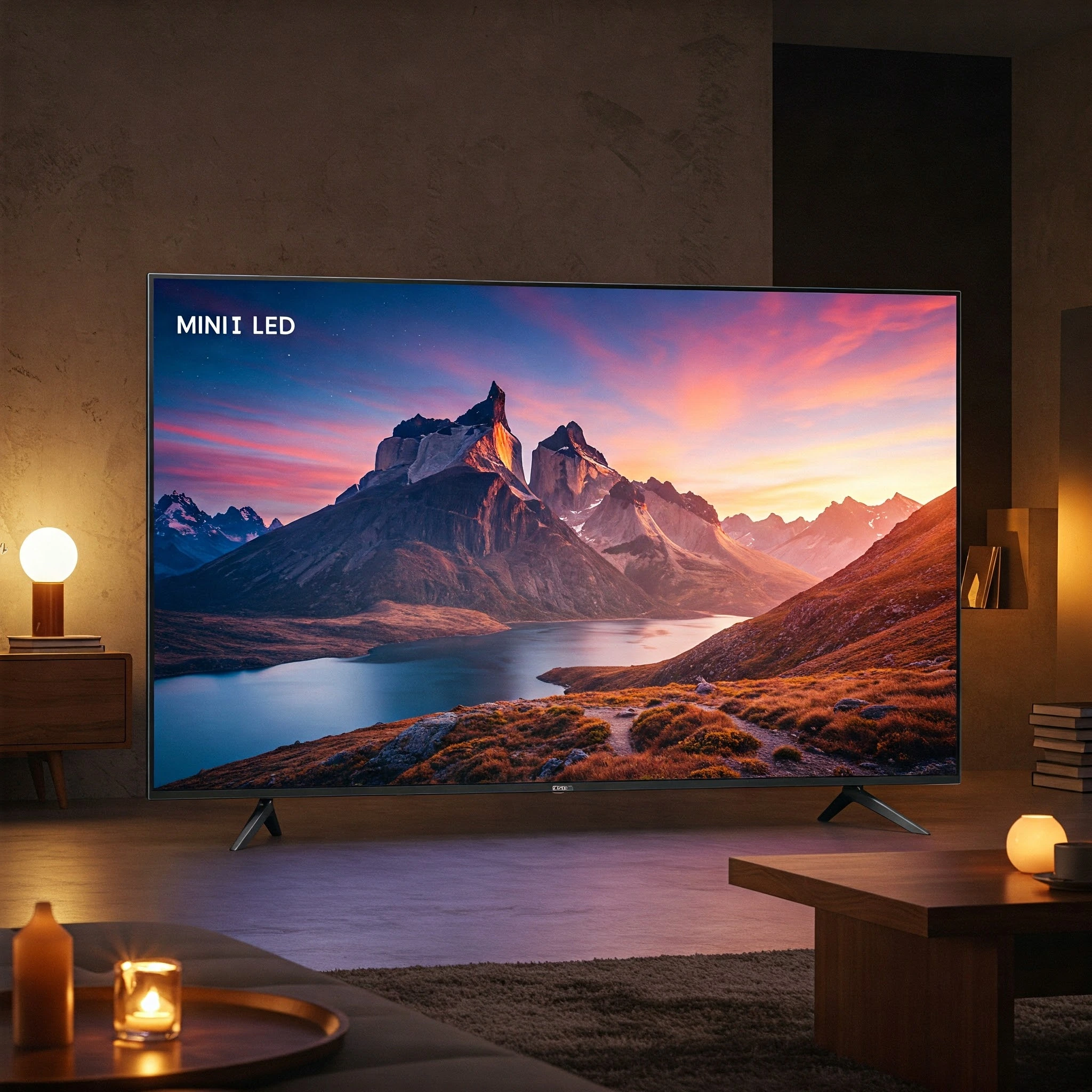
Applications of Mini LED Technology
- 4K/8K TVs: Brands like TCL and Apple use Mini LED for brighter, more detailed screens.
- Gaming Monitors: High refresh rates (144Hz+) and low latency for competitive play.
- Laptops & Tablets: Thinner designs with better battery life (e.g., iPad Pro).
- Medical Imaging: Precision color and contrast for diagnostic accuracy.
- Consumer Electronics:
- AR/VR Headsets:
- Ultra-high pixel density (3,000+ PPI) for lifelike immersion.
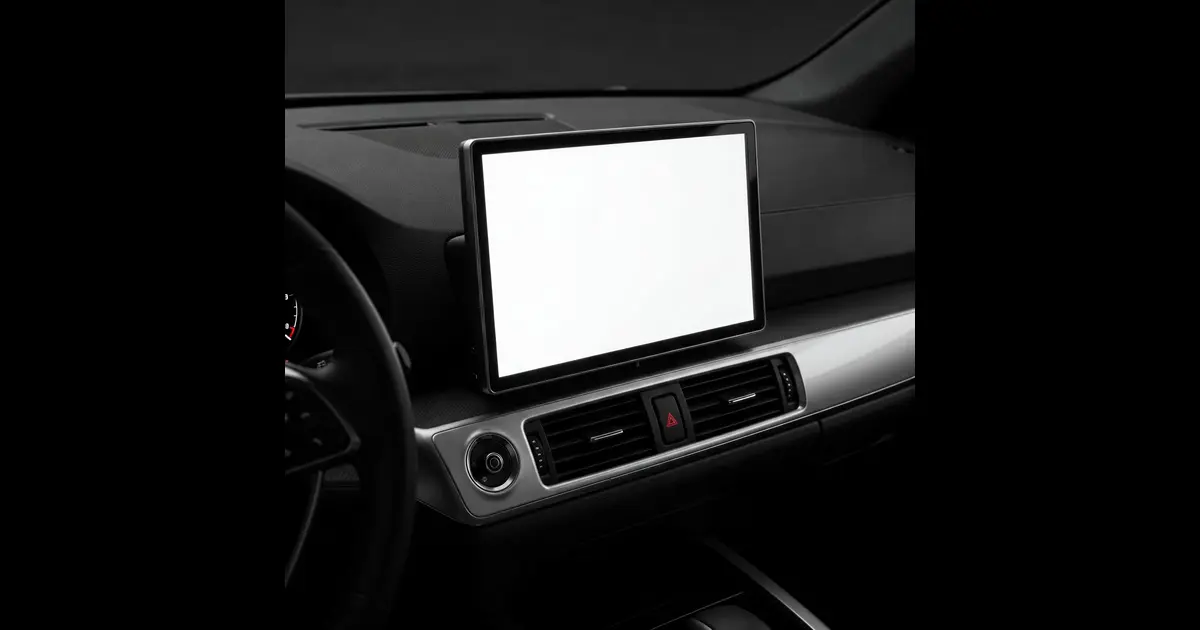
- Automotive Displays:
- Sunlight-readable dashboards and HUDs with zero glare.
- Commercial Displays: Giant video walls for stadiums, control rooms, and digital art.
The Future of Mini LED Technology
- MicroLED Integration: Micro LED (μLED) technology is poised to revolutionize the display industry by combining the best features of existing technologies while eliminating their shortcomings. Unlike Mini LED or OLED, Micro LED uses self-emissive, microscopic inorganic LEDs (smaller than 100 microns) that function as individual pixels, eliminating the need for backlighting, color filters, or organic materials. Here’s a detailed breakdown of its integration, benefits, challenges, and future potential:
- Automotive Displays: Dashboard screens visible in direct sunlight.
- AR/VR Headsets: Reducing motion blur for immersive experiences.
How Mini LED Actually Works: The Science Behind the Magic
Most people think Mini LED is just a marketing term for smaller LEDs, but it’s actually a complete reimagining of how backlighting works in modern displays.
The Size Revolution: Why Smaller is Better
Mini LEDs are approximately 200 microns in size – that’s about 1/5th the size of conventional LEDs used in regular LED TVs. This reduction in size might seem simple, but it changes everything about how displays perform. The smaller size allows manufacturers to pack thousands more LEDs into the same space behind the screen. Where a traditional high-end LED TV might have a few hundred LEDs, a Mini LED display can have thousands.
This increased density means each LED can be controlled more precisely, creating better contrast and more accurate lighting. The smaller LEDs also generate less heat individually, which allows for higher overall brightness without damaging the display. This fundamental engineering difference is what makes Mini LED Technology such a game-changing technology.
Local Dimming: The Secret to Perfect Contrast
Local dimming is where Mini LED truly shines. Traditional LED TVs might have dozens or maybe a few hundred dimming zones if you’re lucky. Mini LED displays can feature thousands of independent dimming zones. Each zone can be controlled separately based on what’s being displayed on screen. When you’re watching a movie with dark scenes, the zones displaying black areas can turn off completely, creating near-OLED levels of blackness.
Meanwhile, zones showing bright elements can operate at maximum brightness. This precision eliminates the “blooming” effect where light bleeds into dark areas that plagues traditional LED TVs. The algorithm controlling these zones is just as important as the hardware itself, constantly analyzing the image to optimize performance.
Quantum Dot Enhancement: Beyond Basic Color
Many premium Mini LED displays incorporate quantum dot technology, which takes color performance to another level. Quantum dots are tiny nanocrystals that enhance color performance by converting blue LED light into purer red and green wavelengths. This process creates a wider color gamut than standard LED displays can achieve.
The combination of Mini LED precision and quantum dot color enhancement delivers exceptional color volume that maintains saturation even at peak brightness levels. This addresses what was traditionally a weakness of LED displays compared to OLED. The technology typically achieves over 95% DCI-P3 color space coverage, making it ideal for both home entertainment and professional color-critical work.
Mini LED vs OLED: The Real Story Nobody Tells You
The battle between Mini LED and OLED isn’t about which technology is objectively better, but which one better serves your specific needs and viewing environment.
Mini LED vs OLED: The Showdown
| Feature | Mini LED | OLED |
| Brightness | Higher peak brightness (ideal for HDR) | Lower brightness (risk of burn-in) |
| Contrast | Excellent (via local dimming) | Perfect (per-pixel control) |
| Lifespan | Longer lifespan (no burn-in) | Prone to burn-in over time |
| Cost | More affordable than OLED | Expensive due to organic materials |
| Best For | Bright rooms, gaming, and HDR content | Dark rooms, cinematic experiences |
Brightness: Where Mini LED Technology Absolutely Dominates
This is where Mini LED leaves OLED in the dust. Premium Mini LED displays can reach 2,000-3,000 nits peak brightness, while most OLED panels max out around 800-1,000 nits due to technical limitations. This brightness advantage isn’t just about numbers – it translates to real-world viewing benefits. In well-lit rooms, Mini LED maintains excellent visibility while OLED can appear washed out.
For HDR content, the higher brightness means specular highlights in movies and games appear more realistic and impactful. Mini LED doesn’t suffer from ABL (Automatic Brightness Limiter) like OLED, which reduces brightness when displaying large bright areas to protect the panel. This consistency makes Mini LED more reliable for varied content.
Black Levels: The OLED Advantage (But It’s Closer Than You Think)
Yes, OLED can achieve perfect blacks by turning off individual pixels, creating an infinite contrast ratio that’s visually stunning. However, in practical viewing conditions, most viewers can’t tell the difference between OLED’s perfect blacks and Mini LED’s near-perfect performance. Modern Mini LED with thousands of dimming zones gets incredibly close to OLED black levels while maintaining brightness advantages. OLED does maintain an edge in completely dark viewing environments, but how often do most people watch TV in pitch blackness? For mixed lighting conditions, which is how most people actually use their TVs, Mini LED Technology often provides better overall performance.
Reliability: The Clear Winner for Long-Term Use
This is where Mini LED Technology truly separates itself. OLED uses organic materials that degrade over time, leading to potential burn-in from static elements like news tickers or game HUDs. Mini LED uses inorganic materials that don’t suffer from degradation or burn-in. This makes Mini LED ideal for gaming, PC use, or commercial applications where static elements are common. While OLED manufacturers have implemented various anti-burn-in technologies, the risk remains inherent to the technology’s fundamental design. Mini LED displays typically offer longer lifespan and more consistent performance over time, making them the practical choice for most users.
Real-World Applications: Where Mini LED Really Shines
Mini LED technology isn’t just theoretical – it’s delivering incredible results across multiple product categories and use cases.
Home Entertainment Revolution
Premium television manufacturers have fully embraced Mini LED technology. Brands like Samsung, TCL, and Hisense are offering exceptional Mini LED TVs that deliver performance rivaling OLED at more accessible price points. These displays particularly excel for movie watching where the combination of good blacks and high brightness enhances HDR content. Sports viewing benefits tremendously from the high brightness that makes games watchable even in well-lit rooms. For gaming, Mini LED is arguably the best technology available today – it combines high refresh rates, low input lag, and no burn-in risk with excellent HDR performance that makes game worlds pop.
Professional and Creative Work
Mini LED Technology has transformed the professional monitor market. Content creators benefit from the combination of high brightness and color accuracy that these displays offer. Photographers and video editors appreciate the consistent performance and color accuracy that meets professional standards. The high brightness capability is particularly valuable for users working in bright environments where traditional displays might struggle. Design studios and editing suites can maintain optimal viewing conditions thanks to Mini LED’s performance characteristics. The technology’s reliability also makes it suitable for 24/7 operation in control rooms and professional settings where downtime isn’t an option.
Mobile and Specialized Applications
The benefits of Mini LED have made it to mobile devices and specialized applications. Apple’s Pro Display XDR and iPad Pro utilize Mini LED technology to deliver exceptional performance in portable form factors. The automotive industry has adopted Mini LED for instrument clusters and infotainment systems where high brightness ensures readability in direct sunlight. Aviation and marine displays benefit from Mini LED’s reliability and performance characteristics in challenging environments. The technology continues to find new applications across various industries, proving its versatility and superior performance characteristics.
What to Look for When Buying a Mini LED Display
Not all Mini LED products are created equal. Understanding these key factors will help you make the right choice.
Key Specifications That Actually Matter
The number of dimming zones significantly impacts performance – more zones generally mean better black levels and less blooming. Peak brightness measured in nits determines HDR performance capability – look for at least 1,000 nits for good HDR performance. Color gamut coverage indicates how many colors the display can reproduce – DCI-P3 coverage of 95% or higher indicates excellent color performance. Refresh rate affects motion handling, with 120Hz being ideal for gaming. Response time should be under 5ms for smooth performance. Viewing angles have improved with modern Mini LED but still may not match OLED.
Performance Considerations Beyond Specs
Real-world contrast ratio matters more than theoretical specifications – look for professional reviews that measure actual performance. Blooming control varies significantly between models – some handle bright objects on dark backgrounds better than others. Color accuracy out of the box can vary between models – professional reviews typically include these measurements. HDR performance depends on both peak brightness and tone mapping implementation – some manufacturers handle HDR content better than others. Gaming features like VRR and ALLM have become standard on quality displays.
Value and Positioning in the Market
Mini LED displays occupy various price points from mid-range to premium. Determine your budget and requirements before shopping – larger screens benefit more from higher resolution and better HDR performance. Consider brand reputation and customer service – warranty terms and coverage can vary significantly. Future-proofing considerations include HDMI 2.1 support for gaming features. Smart TV platform longevity and update support may affect long-term usability. Audio performance often requires separate sound system consideration.
The Future of Mini LED Technology
The technology continues to evolve rapidly with several exciting developments on the horizon.
Technological Advancements
Manufacturers continue to increase dimming zone counts while reducing costs. We’re seeing displays with 10,000+ zones entering the market, which. Processing algorithms are becoming more sophisticated and effective. AI-enhanced dimming control improves performance with existing hardware. New backlight structures and optical designs are improving viewing angles. Micro lens arrays and other optical enhancements are being implemented to address traditional LED viewing angle limitations. Efficiency improvements are reducing power consumption while maintaining performance.
Market Expansion and Adoption
Manufacturing costs continue to decrease as production scales up. This makes Mini LED technology more accessible across price segments. We’re seeing excellent Mini LED TVs at increasingly affordable prices. The technology is expanding into new product categories and applications. Monitor manufacturers are embracing Mini LED for gaming and professional use. Automotive and aviation applications continue to grow. Consumer adoption is increasing as awareness of the technology’s benefits grows. Mini LED is becoming the new standard for quality displays across categories.
Integration with Emerging Technologies
Mini LED is increasingly combined with other display technologies. Some manufacturers are experimenting with Mini LED backlights for other panel types. The technology is enabling new form factors and applications. Transparent displays using Mini LED are becoming commercially viable. Flexible and curved implementations are reaching the market. Mini LED is playing a role in next-generation augmented reality systems. The technology’s brightness and efficiency make it suitable for AR applications. Future developments may include even more innovative implementations.
Conclusion: Why Mini LED is the Smart Choice Today
After extensive testing and analysis at www.ledscreentechnology.com, we believe Mini LED technology represents the most compelling choice for most consumers today. It delivers outstanding picture quality that challenges OLED while offering practical advantages in brightness, reliability, and value. For typical viewing environments with some ambient light, Mini LED’s brightness advantage is significant. For gamers and users who display static content, the lack of burn-in risk eliminates a major concern.
And for value-conscious buyers, Mini LED delivers premium performance at accessible price points. While OLED remains excellent for dedicated home theater setups, Mini LED offers a more versatile, practical solution for real-world viewing scenarios. The technology continues to improve rapidly, making now an excellent time to experience what Mini LED can do.
FAQs About Mini LED Technology
Absolutely. Mini LED’s superior brightness makes it significantly better for well-lit environments. While OLED struggles with reflections and can appear dim in bright rooms, Mini LED maintains excellent visibility and contrast. This makes Mini LED ideal for living rooms with windows or overhead lighting.
No, and this is one of Mini LED’s biggest advantages. Since it uses traditional LCD technology with LED backlights rather than organic pixels, there’s no risk of permanent image retention. This makes Mini LED perfect for gaming, news channels, or use as a computer monitor.
Modern Mini LED TVs excel with fast motion thanks to high native refresh rates and excellent response times. Most premium models feature 120Hz panels with advanced motion handling technology. This makes them excellent for sports, action movies, and fast-paced gaming.
Mini LED TVs should last 7-10 years with normal use, similar to traditional LED TVs. The technology uses inorganic materials that don’t degrade like OLED’s organic compounds. This means brightness and color performance remain consistent throughout the display’s life.
Not at all. Dimming zone counts vary dramatically between models and price points. Budget models might have a few hundred zones, while premium models can feature several thousand. More zones generally mean better contrast and less blooming around bright objects.
Excellent. Mini LED’s high brightness capabilities make it ideally suited for HDR content. It can deliver bright highlights that maintain their impact while preserving shadow detail. This creates a more realistic and engaging HDR experience than most OLED displays can provide.
QLED refers to quantum dot color enhancement, which can be applied to various backlight technologies including Mini LED. Many premium Mini LED TVs are also QLED displays. The terms describe different aspects of the technology that work together to improve picture quality.
Yes, Mini LED Technology TVs can be wall-mounted like any other flat-panel display. They typically use standard VESA mount patterns and don’t require special considerations. However, their slim designs may require careful cable management for a clean installation.
While they perform well out of the box, professional calibration can optimize Mini LED Technology TVs for your specific viewing environment. Many premium models include advanced calibration options in their menus. For most users, the built-in picture modes provide excellent performance.
Most major electronics retailers now carry Mini LED TVs from brands like Samsung, TCL, Hisense, and Sony. Look for their premium models and compare them side-by-side with OLED displays. Pay particular attention to brightness and HDR performance in the store’s lighting conditions






- Be Respectful
- Stay Relevant
- Stay Positive
- True Feedback
- Encourage Discussion
- Avoid Spamming
- No Fake News
- Don't Copy-Paste
- No Personal Attacks
- Be Respectful
- Stay Relevant
- Stay Positive
- True Feedback
- Encourage Discussion
- Avoid Spamming
- No Fake News
- Don't Copy-Paste
- No Personal Attacks
